
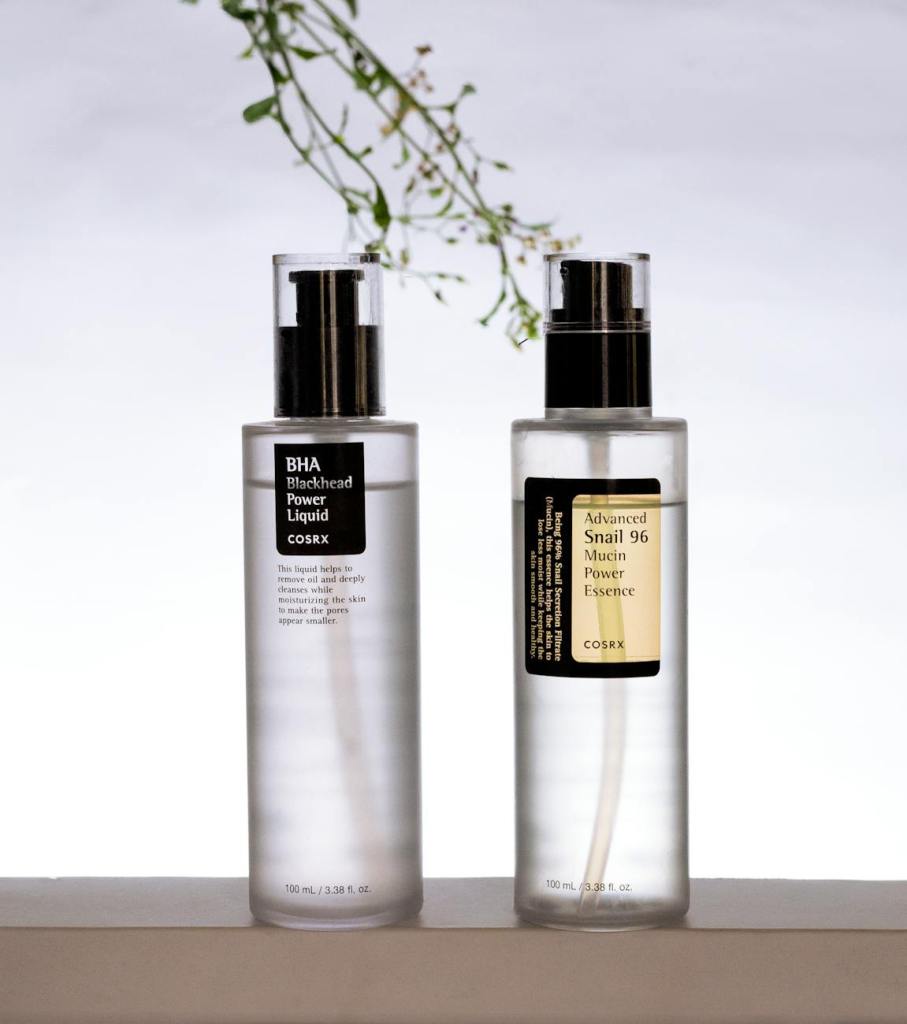
If you’ve been wondering why everyone keeps talking about Korean skincare, you’re not alone. Over the past decade, it’s gone from a niche interest to a global standard for gentle, effective skin care. What sets it apart isn’t just cute packaging or trends, but a philosophy that puts long-term skin health, prevention, and consistency at the center of everything.
This guide will walk you through what Korean skincare is all about, why it can be such a game changer for your routine, and how to get started in a simple, realistic way—even if you’re a beginner.
What Is Korean Skincare? A Philosophy of Gentle, Consistent Care
Korean skincare comes from South Korea’s long-standing beauty culture, where healthy, hydrated, and naturally glowing skin is valued more than covering things up with makeup. Instead of chasing quick fixes, Korean skincare focuses on:
- Prevention: Supporting your skin before problems appear, rather than only reacting once there’s damage.
- Hydration: Layering moisture so skin stays plump, comfortable, and resilient.
- Gentle care: Using milder formulas and soothing ingredients rather than harsh, stripping products.
- Consistency: Building a routine you can stick to, where small daily habits add up over time.
In practice, this means products are often lighter in texture, thoughtfully layered, and targeted toward strengthening your skin instead of “shocking” it into temporary results.
Skin Health First: Why Korean Skincare Focuses on Your Barrier
Your skin barrier is the outermost layer of your skin that keeps moisture in and irritants out. When it’s strong, your skin looks smoother, calmer, and more radiant. When it’s damaged, skin can feel tight, itchy, flaky, or break out more easily.
Many traditional routines focus on strong actives and quick results—like stripping cleansers, frequent harsh scrubs, or very high-percentage acids. These can sometimes work in the short term but may leave your barrier compromised.
Korean skincare generally takes the opposite approach:
- Barrier-supporting ingredients, such as ceramides, hyaluronic acid, panthenol, and plant oils, help keep your skin cushiony and resilient.
- Hydration over aggression: Toners, essences, and serums are often designed to deeply hydrate first, then gently address concerns like dullness or texture.
- Gentle exfoliation is preferred over harsh scrubbing. Acids, if used, are usually paired with soothing ingredients to minimize irritation.
By focusing on skin health first, Korean routines make it easier to maintain results over the long term without constantly cycling through damage and repair.
The Multi-Step Routine Explained (and Why Layering Works)
One of the most famous aspects of Korean skincare is the idea of a multi-step routine. You might have heard of “10 steps,” which can sound overwhelming, but you don’t need that many products. The key concept is layering thin, targeted products so your skin receives hydration and active ingredients gradually and comfortably.
Common Korean Skincare Steps
- Cleanser: A gentle water-based or oil-based cleanser removes sunscreen, makeup, and impurities without stripping your skin.
- Toner: Often more hydrating than astringent, toners in Korean routines prep the skin, add light moisture, and help the following products absorb better.
- Essence: A lightweight, watery treatment that boosts hydration and often contains ingredients to improve texture, brightness, or elasticity.
- Serum / Ampoule: More concentrated formulas that target specific concerns like dark spots, fine lines, or breakouts.
- Sheet masks: Single-use fabric or gel masks soaked in essence, used occasionally to give skin an extra dose of hydration and nourishment.
- Moisturizer: Creams, lotions, or gels that seal in all the previous layers and keep moisture from evaporating.
- SPF (morning): Broad-spectrum sunscreen is always the final step in your daytime routine, protecting your skin from UV damage and premature aging.
Why Layering Thin Products Can Be Beneficial
- Better absorption: Several light layers can sink in more easily than one very thick cream.
- More customization: You can adjust how many layers you use depending on how your skin feels that day.
- Gentler delivery of actives: Instead of overwhelming your skin with a strong one-and-done product, you can use milder concentrations in combination.
Think of it like dressing in layers on a cool day: you can add or remove pieces as needed so you feel comfortable, rather than relying on a single heavy coat.
Innovative Ingredients and Textures That Make a Difference
Korean skincare is known for being ahead of the curve when it comes to ingredients and textures. Many formulas are designed to feel pleasant and lightweight, encouraging you to actually enjoy using them consistently.
Popular Korean Skincare Ingredients
- Snail mucin: A hydrating, soothing ingredient that can help with the look of dehydration, rough texture, and the appearance of post-acne marks. It often gives products a bouncy, gel-like feel.
- Centella asiatica (cica): A calming plant extract that can help comfort sensitive, redness-prone, or irritated skin. Often paired with other soothing ingredients.
- Rice: Used in extracts or fermented forms, rice can support a brighter-looking, more even-toned complexion and add gentle hydration.
- Green tea: Naturally rich in antioxidants, green tea helps defend the skin against environmental stressors and can be especially nice for combination or oily skin types.
- Fermented ingredients: Fermented extracts may help improve the appearance of skin texture and clarity, and often boost hydration, thanks to smaller molecules and additional beneficial compounds created during fermentation.
Lightweight, Enjoyable Textures
Korean products are often formulated as lightweight gels, milky lotions, watery essences, or quick-absorbing creams. This makes them comfortable to layer without feeling greasy or suffocating—especially helpful if you live in a humid climate or have combination or oily skin.
Because the experience is pleasant, people are more likely to stick with their routines, which is where the real magic happens.
Why Korean Skincare Works for All Skin Types
Another strength of Korean skincare is how flexible and customizable it is. The multi-step approach doesn’t mean you must use everything, every day. Instead, you can think of it as a toolkit and choose what makes sense for your skin.
Customization by Skin Type
- Oily or acne-prone skin: Lightweight gel moisturizers, calming toners, and non-heavy hydrating serums can keep skin balanced without clogging pores. Gentle exfoliation and soothing ingredients like centella or green tea can help with the appearance of breakouts.
- Dry or dehydrated skin: Hydrating toners, essences, and rich creams can be layered to deeply moisturize and soften the look of dry patches. Ingredients like hyaluronic acid and ceramides are especially helpful.
- Sensitive skin: Many Korean formulas are designed to be gentle, fragrance-light or fragrance-free, and soothing. Calming ingredients and minimalistic routines work well here.
- Mature skin: Hydrating, barrier-supportive products help improve the look of fine lines by plumping the skin’s surface. Antioxidant-rich ingredients, fermented extracts, and firming serums can all play a role.
You can also adjust your routine based on seasons or life changes—for example, using more hydrating layers in winter and lighter textures in summer.
High Quality Without the Luxury Price Tag
One reason Korean skincare has become so popular worldwide is its balance of innovation and affordability. Because the beauty market in South Korea is highly competitive, brands are pushed to offer effective, well-formulated products at accessible prices.
- High-quality formulas often include multiple beneficial ingredients—like hydrators, antioxidants, and soothing extracts—in a single product.
- Reasonable pricing means you can build a full routine without needing to invest in very expensive “luxury” items.
- Wide availability online and in many local stores makes it easier to explore and find options that suit your budget.
This combination allows more people to take proper care of their skin consistently, which matters far more than relying on one high-end product used only occasionally.
How to Start: A Simple 3–5 Step Korean-Inspired Routine
You don’t need a complicated routine to benefit from Korean skincare principles. In fact, starting simple is one of the best ways to avoid irritation and figure out what truly works for you.
Beginner-Friendly Routine (Morning)
- Step 1: Gentle cleanse (optional) – In the morning, some people simply rinse with lukewarm water, while others prefer a very mild cleanser. Choose what feels right for your skin.
- Step 2: Hydrating toner or essence – Apply with your hands, patting it in to boost hydration and prep your skin.
- Step 3: Lightweight serum (optional) – If you have a specific concern (like dullness or visible pores), this is where you can use a gentle, targeted serum.
- Step 4: Moisturizer – Use a lotion, cream, or gel that matches your skin type to lock in moisture.
- Step 5: Sunscreen – Finish with a broad-spectrum SPF every single morning, even on cloudy days. This is one of the most important steps for long-term skin health.
Beginner-Friendly Routine (Evening)
- Step 1: Cleanser – Use a gentle cleanser to remove sunscreen, makeup, and impurities from the day.
- Step 2: Hydrating toner or essence – Add back moisture after cleansing and help calm the skin.
- Step 3: Serum – Choose a formula that addresses your main concern (for example, hydration, brightening, or calming).
- Step 4: Moisturizer – Seal everything in with a comfortable cream or gel.
Once or twice a week, you can add a sheet mask after your toner or essence for an extra self-care moment and hydration boost.
Tips to Avoid Irritation as You Experiment
- Patch test new products: Apply a small amount to a discreet area (like behind your ear or along your jawline) for several days to check for reactions before using it on your whole face.
- Introduce products slowly: Add only one new product at a time and use it a few times a week before increasing frequency. This helps you pinpoint what works and what doesn’t.
- Listen to your skin: If you notice burning, intense redness, or stinging (beyond very mild, brief tingling with some actives), stop using that product and give your skin time to recover.
- Don’t over-exfoliate: More exfoliation is not always better. Focus on hydration and barrier support first, then add exfoliating products carefully if needed.
Why Korean Skincare Can Be the Best Choice for Long-Term Skin Health
When you step back and look at the bigger picture, Korean skincare isn’t just about how many steps you have or which trendy ingredient is popular right now. It’s about a mindset: treating your skin kindly, supporting its natural functions, and investing in long-term health instead of temporary fixes.
- It prioritizes prevention and barrier care so your skin stays resilient.
- It emphasizes hydration and gentle formulas that work with your skin, not against it.
- It offers innovative ingredients and textures that make skincare feel enjoyable rather than like a chore.
- It’s highly customizable and accessible, so you can build a routine that fits your skin type, lifestyle, and budget.
If your goal is healthier, glowing skin that feels comfortable and balanced day after day, a Korean-inspired routine can be an excellent path forward. Start simple, listen to your skin, patch test new additions, and give your routine time to work. Your future self—with calmer, happier skin—will thank you.


Leave a Reply