
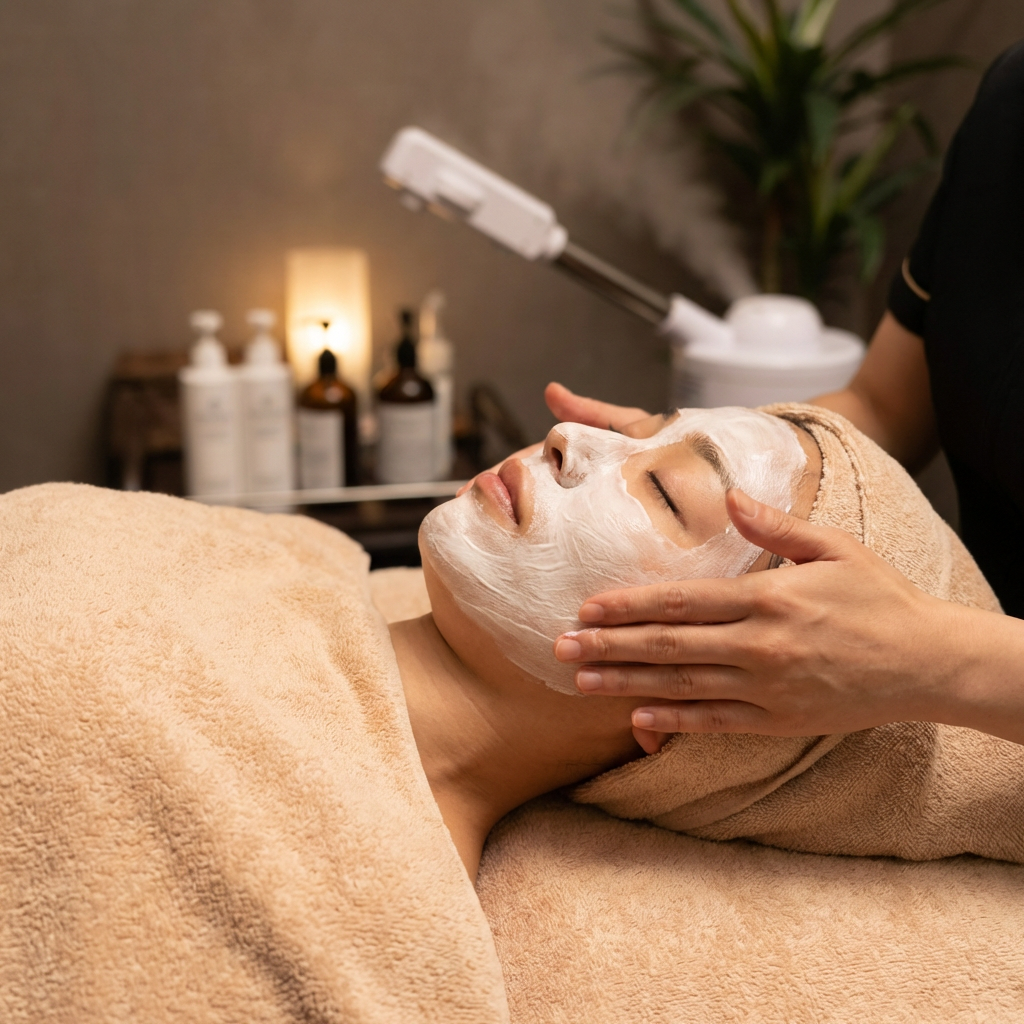
When you think about healthy, glowing skin, you might picture facials, peels, and relaxing spa treatments. Behind many of those services is a licensed professional known as an esthetician. But what exactly does an esthetician do—and how are they different from a dermatologist or other skincare professionals?
This blog post breaks down what an esthetician is, their main areas of focus, and the most common specialties you’ll find when you book a service.
What Is an Esthetician?
An esthetician (also spelled aesthetician) is a licensed skincare professional who specializes in improving and maintaining the health and appearance of the skin, primarily on the face, but often including the neck, décolleté, and body.
Estheticians:
- Complete formal training at an accredited school
- Pass state board exams to get licensed
- Continue learning about products, technologies, and techniques over time
While a dermatologist is a medical doctor who can diagnose and treat skin diseases, prescribe medications, and perform medical procedures, an esthetician focuses on cosmetic, non-invasive treatments that enhance the skin’s look, feel, and overall health.
The Main Focus of an Esthetician
Though services can vary from spa to spa, most estheticians share a few core priorities:
1. Improving Skin Health
Estheticians look at your skin type, condition, and concerns, then choose treatments and products designed to:
- Hydrate dry or dehydrated skin
- Calm redness and sensitivity
- Balance oil production
- Support the skin barrier
- Improve texture and tone
Their goal is not just a temporary “glow,” but healthier skin over time.
2. Addressing Specific Skin Concerns
Many clients visit an esthetician for help with issues such as:
- Acne and congestion (clogged pores, blackheads, breakouts)
- Hyperpigmentation (dark spots, sun spots, post-acne marks)
- Signs of aging (fine lines, wrinkles, loss of firmness, dullness)
- Sensitivity and redness (reactive skin, rosacea-prone skin)
- Texture concerns (roughness, flakiness, mild scarring)
Estheticians are trained to select treatments that are appropriate for your skin and to recognize when a concern should be referred to a dermatologist.
3. Education & Home Care
One of the most important roles of an esthetician is teaching you how to care for your skin at home. In many cases, what you do every day matters more than what happens in a single treatment.
An esthetician can help you:
- Understand your skin type and how it behaves
- Simplify or refine your skincare routine
- Choose products that match your skin’s needs and your lifestyle
- Avoid ingredients or habits that may be irritating or counterproductive
The result is a customized approach instead of trial-and-error.
4. Relaxation & Stress Relief
Professional skincare isn’t just clinical—it’s also deeply relaxing and nurturing. Many treatments combine results-driven techniques with massage, aromatherapy, or calming rituals.
Stress can show up on your skin as breakouts, dullness, or inflammation, so giving yourself time to unwind can be an important part of healthy skin.
Common Esthetician Specialties
Not all estheticians offer the same services. Many choose to specialize or receive advanced training in particular areas. Here are some of the most common specialties you’ll see on a spa or skincare menu.
1. Customized Facials
Facials are at the heart of esthetics. A professional facial typically includes:
- Skin analysis
- Deep cleansing
- Exfoliation (enzymes, mild acids, or gentle scrubs)
- Extractions (if needed and appropriate)
- Treatment masks and serums
- Massage (face, neck, shoulders, sometimes hands and arms)
- Finishing products like moisturizer and SPF
A customized facial can be tailored for:
- Acne-prone or congested skin
- Dry or dehydrated skin
- Sensitive or reactive skin
- Anti-aging/firming
- Brightening and evening skin tone
2. Acne-Focused Treatments
Some estheticians specialize in acne management, working to:
- Gently clear congestion and impurities
- Minimize post-acne marks and scarring
- Support the skin barrier, which is often compromised
- Guide clients on lifestyle factors and product choices that may affect breakouts
These services may include:
- Regular deep-cleaning facials
- Careful extractions
- Soothing, non-stripping products
- Calming anti-inflammatory treatments
While estheticians cannot prescribe medication or diagnose, they can be a powerful partner alongside medical care—or an excellent starting point for mild to moderate acne.
3. Anti-Aging & Skin Rejuvenation
Many estheticians focus on softening signs of aging and promoting a more youthful appearance. These treatments often aim to:
- Boost collagen and elastin
- Smooth fine lines and wrinkles
- Improve texture and radiance
- Firm and plump the skin
Common anti-aging services include:
- Advanced facial massage and lifting techniques
- Treatments with retinol, peptides, and antioxidants
- Gentle resurfacing with exfoliating acids (like AHAs and BHAs)
- Light-based or device-assisted treatments (depending on local regulations and training)
4. Chemical Peels
Chemical peels use carefully chosen acids to help:
- Fade dark spots and uneven tone
- Soften fine lines
- Smooth rough texture
- Improve mild acne and congestion
Estheticians are trained to select the right type and strength of peel for your skin and to provide aftercare instructions to protect your results.
5. Hydration & Barrier Repair
Clients with dry, compromised, or sensitive skin often benefit from estheticians who focus on barrier repair. These treatments emphasize:
- Deep, layered hydration
- Calming, non-irritating ingredients
- Strengthening the skin’s protective barrier
- Gentle, non-aggressive exfoliation (if any)
This specialty is ideal for those who feel like “everything irritates my skin.”
6. Hair Removal (Waxing, Brows, & Lashes)
Many estheticians are also trained in hair removal and beauty enhancement services, such as:
- Facial and body waxing
- Brow shaping and tinting
- Lash lifts and tints
These services can be combined with skincare treatments to create a polished, put-together look.
7. Advanced or Medical Esthetics (Where Allowed)
In medical spa or clinic settings, and depending on state or country regulations, some estheticians receive additional training to assist with or perform:
- More intensive chemical peels
- Microdermabrasion
- Certain forms of light therapy or device-based treatments
- Pre- and post-procedure skincare in collaboration with a physician
These “medical estheticians” typically work under the supervision of a dermatologist, plastic surgeon, or other licensed medical provider.
When Should You See an Esthetician?
You might benefit from seeing an esthetician if:
- You’re unsure which products or routine are right for your skin
- You’re struggling with breakouts, dryness, dullness, or sensitivity
- You want to address early signs of aging or sun damage
- You’re preparing for a big event and want your skin to look its best
- You simply want to relax while improving your skin’s health
Even a single visit can give you valuable insight, but regular treatments combined with a personalized homecare routinedeliver the best long-term results.
Final Thoughts
An esthetician is more than “someone who does facials.” They are a licensed skincare expert focused on:
- Supporting the health and function of your skin
- Addressing concerns like acne, pigmentation, and aging
- Educating you on how to care for your skin at home
- Creating a relaxing, restorative experience
Whether you’re dealing with a specific skin issue or simply want to maintain a healthy, radiant complexion, partnering with a skilled esthetician can make a noticeable difference in how your skin looks and feels.
And if you’re in Napa and your skin is asking for a little extra care, I’d love to help. Whether you’re looking for targeted corrective treatments or simply a quiet moment to relax and reset, I’m here for you.
Ready to put yourself first?


Leave a Reply