
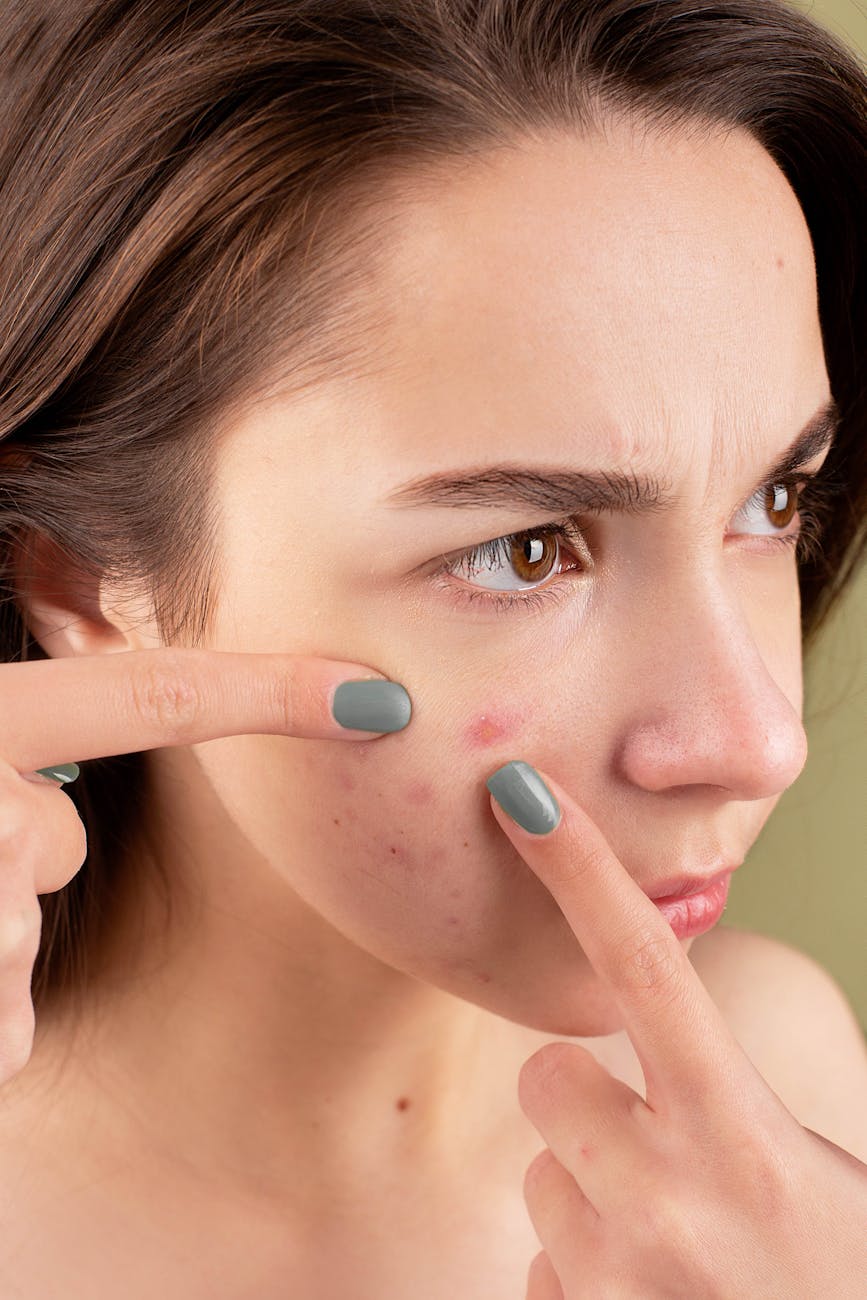
Acne-prone skin can feel frustrating, stubborn, and sometimes even painful. The good news: with the right daily routine and consistent professional treatments, you can calm breakouts, fade marks, and rebuild your skin’s health over time.
In this post, we’ll cover:
- How acne really forms (in simple terms)
- Why monthly acne facial treatmentsare so important
- The best types of acne facials for acne-prone skin (including high frequency facials)
- Which at-home skincare productssupport healing between visits
Understanding Acne-Prone Skin
Acne isn’t just about “dirty skin.” It’s usually a combination of:
- Excess oil (sebum) production
- Clogged pores from dead skin cells and comedogenic products
- Bacteria (like C. acnes) thriving inside blocked pores
- Inflammation and sensitivity, which can turn a small clog into a red, painful blemish
Because acne is multi-factorial, you get the best results when you combine:
- A consistent at-home skincare routine, and
- Regular professional acne facial treatments that target congestion at a deeper level.
Why Monthly Acne Facials Matter
Think of monthly acne facials as a “reset button” for your skin.
At home, you can cleanse, treat, and protect. But you can’t safely:
- Deep clean congested pores at a professional level
- Perform safe extractions to remove blackheads and whiteheads
- Use higher-strength peels, devices, or high frequency tools under expert supervision
Monthly acne facials help to:
- Clear existing congestion (clogged pores, blackheads, milia)
- Prevent new breakouts by keeping pores clear
- Calm inflammation and redness
- Improve product absorption, so your home-care products work better
- Fade post-acne marks with regular exfoliation and targeted treatments
Skin has a renewal cycle of roughly 28 days (often longer with age, stress, or hormones). Monthly facials are timed to support that cycle, helping you stay ahead of new congestion instead of constantly chasing breakouts.
The Best Types of Acne Facial Treatments
Not all facials are the same. For acne-prone skin, look for treatments that focus on deep cleansing, gentle exfoliation, anti-bacterial action, and calming the skin—not heavy massage or overly rich creams.
1. Deep Pore Cleansing Acne Facial
This is a foundational treatment for acne-prone skin. It usually includes:
- Thorough double cleansing
- Enzyme or light chemical exfoliation to soften dead skin
- Steam (if appropriate for your skin) to loosen debris in pores
- Professional extractions, done gently and hygienically
- A purifying or calming mask targeted to acne-prone skin
- Finishing products such as a light serum and oil-free moisturizer
This type of facial helps remove existing clogs and blackheads, reducing the chance they turn into inflamed pimples later.
2. Chemical Peel for Acne (AHA/BHA-Based)
Light to medium-depth peels can be incredibly effective when tailored to your skin. Common ingredients include:
- Salicylic acid (BHA) – oil-soluble, penetrates into pores, excellent for blackheads and inflamed acne
- Glycolic or lactic acid (AHA) – exfoliate the surface, improve texture, and help fade post-acne marks
Benefits include:
- Smoother texture and more refined pores
- Fewer closed comedones (those tiny bumps under the skin)
- Faster fading of post-inflammatory hyperpigmentation (dark marks)
Peels are typically done in a series, spaced 4–6 weeks apart, and should always be performed by a licensed professional.
3. LED Light Therapy (Blue & Red Light)
Many acne facials now incorporate LED light therapy:
- Blue light targets acne-causing bacteria
- Red light supports healing and reduces inflammation
Used regularly in combination with other treatments, LED can help reduce the frequency and severity of breakouts and calm angry, inflamed skin.
4. Hydration-Focused Acne Facial
Acne-prone skin is often dehydrated, even if it’s oily. Over-stripping and drying the skin can actually trigger more oil production and irritation.
An acne-friendly hydration facial might include:
- Gentle exfoliation
- Lightweight hydrating serums (like hyaluronic acid and soothing botanicals)
- Oil-free, non-comedogenic moisturizers
This supports your skin barrier, helping reduce redness, flakiness, and irritation from acne medications or active ingredients.
5. High Frequency Facial for Acne
A high frequency facial is a powerful add-on for acne-prone skin and is often included in targeted acne treatments.
High frequency uses a glass electrode and a gentle electrical current to create oxygenating ozone on the skin’s surface. This helps to:
- Kill acne-causing bacteria in and around the pores
- Speed up healing of active breakouts
- Reduce inflammation and redness
- Improve overall circulation, supporting the skin’s natural repair processes
Because high frequency is both anti-bacterial and healing, it’s especially helpful for:
- Inflamed pimples
- Acne that tends to linger and leave marks
- Skin recovering from extractions
When combined with monthly acne facials, high frequency treatments help keep bacteria levels down, calm flare-ups more quickly, and support clearer, healthier-looking skin over time.
Essential Skincare Products for Acne-Prone Skin
Professional treatments work best when they’re supported by consistent home care. Here are key product categories and ingredients to look for.
1. Gentle, pH-Balanced Cleanser
Skip harsh, foaming washes that leave your skin tight and squeaky. Instead, choose:
- A sulfate-free gel or creamy cleanser
- Labeled as non-comedogenic and suitable for acne-prone or sensitive skin
Use it twice daily—morning and night.
2. Exfoliating Treatment (Chemical, Not Scrubby)
Avoid rough physical scrubs that can tear or inflame active acne. Instead, use a chemical exfoliant a few times per week:
- Salicylic acid (BHA) – great for oily, congested, blackhead-prone skin
- Mandelic, lactic, or glycolic acids (AHAs) – help with texture and dark spots
Coordinate with your esthetician so you’re not over-exfoliating, especially if you’re also receiving peels or using prescription acne medications.
3. Targeted Acne Treatment Serum
Layer a treatment serum that addresses your specific type of acne:
- Niacinamide – reduces redness, regulates oil, supports the skin barrier
- Salicylic acid – clears pores, reduces blackheads and whiteheads
- Azelaic acid – helps with both breakouts and post-acne discoloration
- Retinoids (over-the-counter or prescription, used with guidance) – normalize cell turnover, prevent clogging, and improve texture over time
Your esthetician or dermatologist can recommend which one(s) make the most sense for your skin.
4. Lightweight, Non-Comedogenic Moisturizer
Even acne-prone skin needs moisture. Look for:
- Oil-free or non-comedogenic formulas
- Ingredients like ceramides, hyaluronic acid, panthenol, and aloe
Use your moisturizer morning and night, adjusting the amount based on how dry or oily you feel.
5. Broad-Spectrum Sunscreen (SPF 30+)
SPF is non-negotiable, especially if you’re:
- Using acids, retinoids, or benzoyl peroxide
- Having chemical peels or acne facials
- Trying to fade dark marks from old breakouts
Choose:
- Oil-free, non-comedogenic SPF 30 or higher
- Lightweight gel or fluid textures that won’t clog pores
Sun exposure can make post-acne marks darker and longer-lasting, so daily sunscreen is one of the fastest ways to see more even-toned skin over time.
6. Spot Treatments (Use Sparingly)
Spot treatments can help calm individual blemishes more quickly. Common ingredients:
- Benzoyl peroxide – kills acne-causing bacteria
- Sulfur or clay-based treatments – help draw out impurities and dry down active spots
Use them as a targeted step, not all over the face, to minimize irritation and dryness.
Lifestyle Tips That Support Your Acne Facials & Skincare
To support healing:
- Avoid picking or squeezing pimples – this spreads bacteria and increases risk of scarring. Let your esthetician handle extractions.
- Change pillowcases regularly – ideally every 2–3 nights.
- Clean your phone screen often – it sits right against your cheek.
- Remove makeup thoroughly before bed – double cleanse if you wear long-wear or heavy products.
- Manage stress and sleep – both greatly impact inflammation and hormone balance.
These simple shifts make your monthly facials and products work that much better.
Ready for Clearer Skin? Let’s Work on Your Acne Together
I don’t just treat acne—I’ve lived with it. I suffered with acne for 15 years, and that experience pushed me to learn everything I could about how to truly heal acne-prone skin. With over 15 years of knowledge, I’ve become an acne skincare specialistdedicated to helping others get the clear, confident skin they deserve.
If you’re tired of guessing which products to use or trying treatments that don’t work, I’m here to guide you with:
- Customized monthly acne facial treatments
- Targeted options like high frequency facials to help heal and kill acne-causing bacteria
- A realistic, effective home-care routinetailored to your skin
Ready to start your clear-skin journey?
Book an acne treatment with me and let’s create a plan to calm your breakouts, support your skin barrier, and help you feel confident in your skin again.


Leave a Reply