
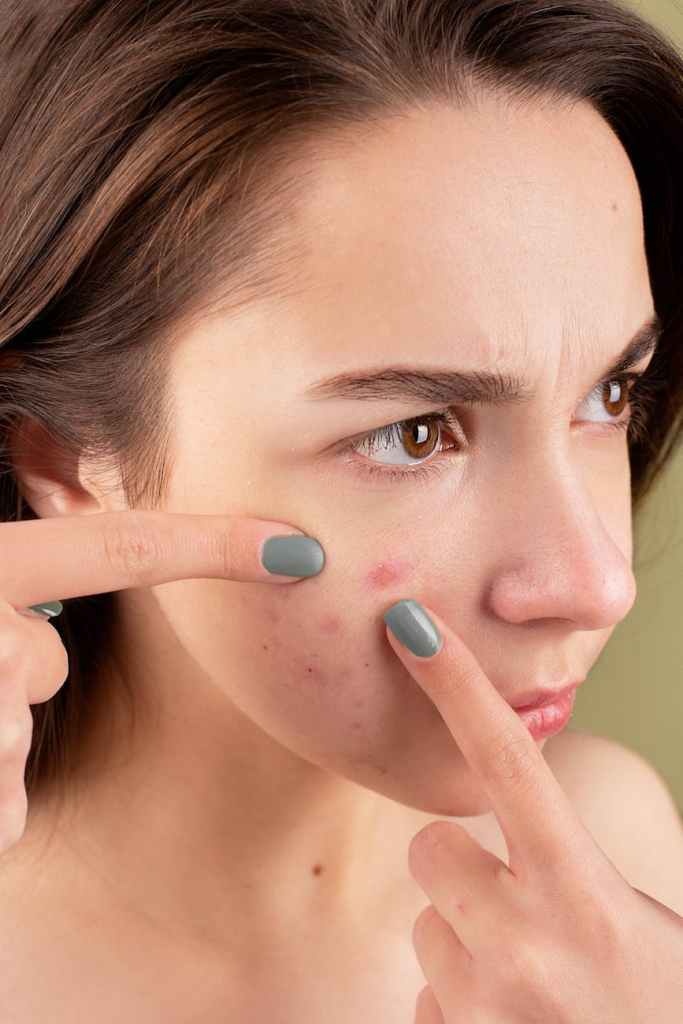
When it comes to achieving healthy, glowing skin, most people focus on skincare products. While cleansers, serums, and moisturizers are important, what you put inside your body can be just as impactful as what you apply on the outside.
Emerging research continues to highlight a strong correlation between diet and various skin conditions. Although diet may not be the sole cause of skin concerns, it can significantly influence inflammation, oil production, hydration, and overall skin health.
Let’s explore how nutrition may be connected to common skin conditions.
Acne and High-Glycemic Foods
Acne is one of the most commonly discussed skin concerns in relation to diet. Studies suggest that high-glycemic foods — such as white bread, sugary snacks, sodas, and processed carbohydrates — may contribute to acne flare-ups.
These foods cause rapid spikes in blood sugar and insulin levels. Elevated insulin can increase oil production and stimulate hormones that promote inflammation, both of which can worsen acne.
Some individuals also report improvements when reducing dairy intake, particularly skim milk, though responses vary from person to person.
Eczema and Food Sensitivities
Eczema (atopic dermatitis) is a chronic inflammatory skin condition. While diet does not cause eczema, certain food sensitivities may trigger flare-ups in some individuals.
Common triggers can include:
- Dairy
- Eggs
- Soy
- Gluten
- Nuts
It’s important to note that elimination diets should only be done under professional guidance. Not everyone with eczema has food-related triggers, but for some, identifying sensitivities can reduce inflammation and itching.
Rosacea and Trigger Foods
Rosacea is often influenced by triggers that increase facial flushing and inflammation. Certain foods and beverages may contribute to flare-ups, including:
- Spicy foods
- Alcohol (especially red wine)
- Hot drinks
- Caffeine
Keeping a food and symptom journal can help individuals identify personal triggers and manage symptoms more effectively.
Psoriasis and Inflammation
Psoriasis is an autoimmune condition driven by systemic inflammation. Diets high in processed foods, sugar, and saturated fats may contribute to increased inflammation in the body.
An anti-inflammatory diet — rich in vegetables, fruits, whole grains, fatty fish (like salmon), nuts, and olive oil — may support overall skin health and potentially reduce symptom severity.
Some individuals with psoriasis report improvement when reducing alcohol consumption or managing their weight.
Hydration and Skin Barrier Function
Water intake plays a key role in maintaining skin hydration and supporting the skin barrier. While drinking more water won’t instantly cure dry skin, proper hydration supports overall body function, which reflects in skin appearance.
Additionally, healthy fats such as omega-3 fatty acids help strengthen the skin barrier and reduce dryness and irritation.
The Gut-Skin Connection
The gut microbiome — the community of bacteria living in your digestive tract — is increasingly recognized as a major player in skin health. An imbalance in gut bacteria may contribute to inflammation that manifests in the skin.
Foods that support gut health include:
- Fiber-rich fruits and vegetables
- Fermented foods like yogurt, kefir, sauerkraut, and kimchi
- Whole grains
- Prebiotic foods such as garlic, onions, and bananas
Supporting gut health may positively influence skin clarity and reduce inflammation.
A Balanced Approach Is Key
It’s important to remember that correlation does not always mean causation. Diet alone does not typically “cause” skin conditions, but it can influence their severity and frequency of flare-ups.
Every individual’s body responds differently. What triggers breakouts or flare-ups in one person may have no effect on another.
If you suspect your diet is affecting your skin, consider:
- Keeping a food diary
- Working with a healthcare professional
- Avoiding extreme or restrictive diets
- Focusing on whole, nutrient-dense foods
Final Thoughts
Healthy skin starts from within. Nourishing your body with balanced nutrition can support long-term skin health.
By understanding the connection between diet and skin conditions, you can take a more holistic approach to caring for your skin — one that supports both beauty and overall wellness.
Ready to Support Your Skin from the Inside Out?
If you’ve been struggling with ongoing skin concerns, it may be time to take a closer look at your diet and overall lifestyle. Small, intentional changes — like reducing processed foods, increasing whole nutrients, and staying hydrated — can make a meaningful difference in your skin’s appearance and health over time.
But you don’t have to navigate your skin journey alone.
Working with a licensed esthetician can help you better understand your skin’s unique needs while creating a personalized treatment plan that supports both internal and external care. Professional guidance ensures you’re not guessing — you’re making informed choices that truly benefit your skin.
If you’re ready to take the next step toward healthier, more radiant skin, we invite you to book a consultation today. Let’s create a customized plan that supports your skin from the inside out.
✨ Schedule your consultation now and start your journey to balanced, glowing skin.
 Renew Skin Therapy
Leave a comment