
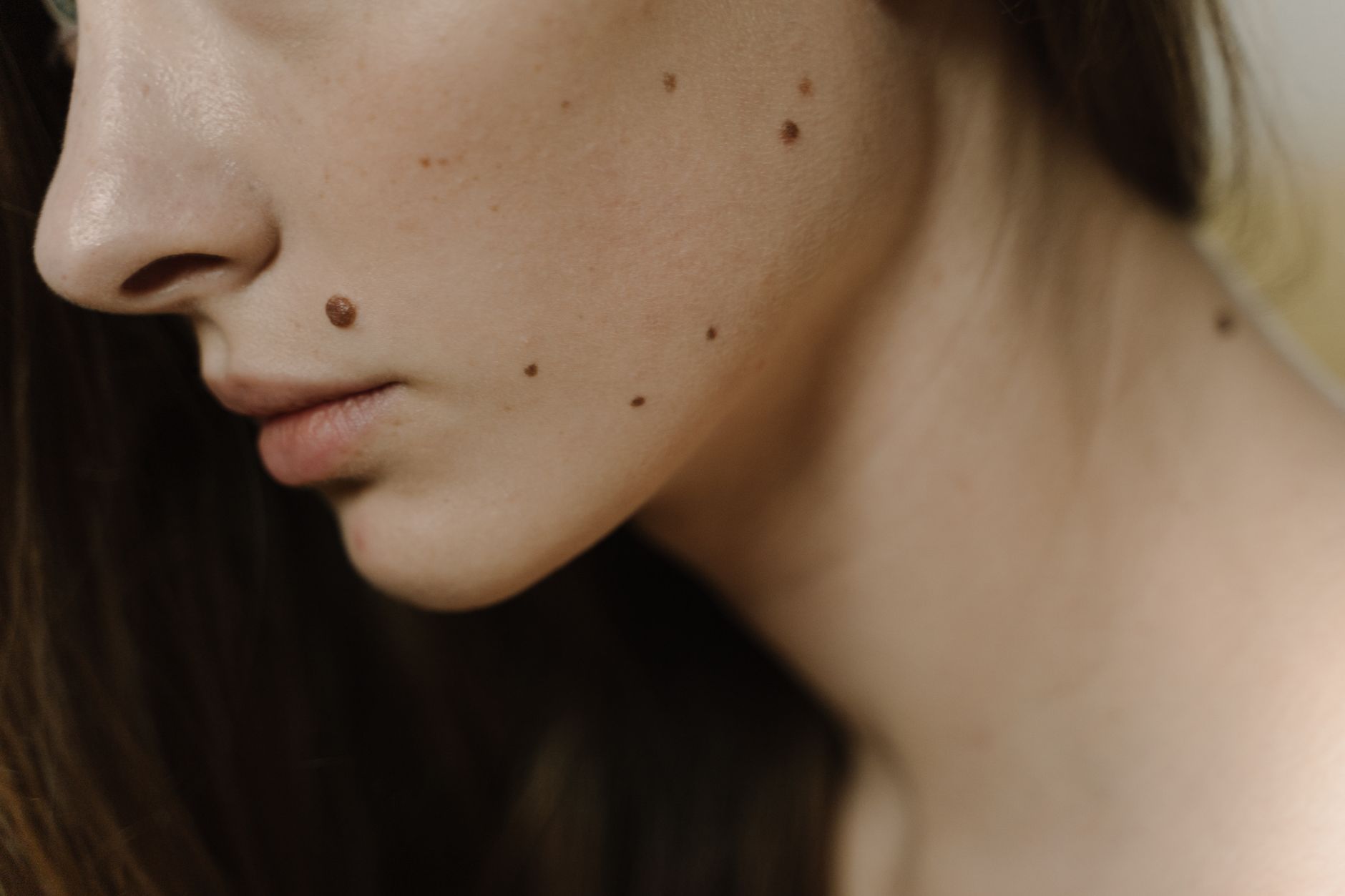
Melanoma is one of the most serious types of skin cancer. It develops in the melanocytes — the cells responsible for producing melanin, the pigment that gives your skin its color. While melanoma is less common than other skin cancers, it is more aggressive and can spread quickly if not detected early.
The good news? When caught early, melanoma is highly treatable. Awareness, prevention, and proper skin care play a powerful role in protecting your skin health.
What Does Melanoma Look Like?
Melanoma often appears as a new mole or a change in an existing mole. Use the ABCDE ruleto identify suspicious spots:
- A – Asymmetry: One half doesn’t match the other.
- B – Border: Edges are irregular, ragged, or blurred.
- C – Color: Uneven shades of brown, black, red, white, or blue.
- D – Diameter: Larger than 6mm (about a pencil eraser).
- E – Evolving: Changes in size, shape, color, or symptoms like itching or bleeding.
If you notice any of these signs, seek medical attention immediately. Early diagnosis can save lives.
Can Melanoma Be Treated?
Melanoma requires medical treatment by a dermatologist or oncologist. Treatment options may include:
- Surgical removal
- Immunotherapy
- Targeted therapy
- Radiation therapy (in advanced cases)
⚠️ Important: No facial treatment, skincare product, or home remedy can cure melanoma. Professional medical care is essential.
However, supportive skincare and healthy lifestyle choices can help protect your skin, support healing, and reduce future risk.
Supportive Skincare for Melanoma Prevention & Skin Health
While skincare does not treat melanoma, it plays a crucial role in prevention and maintaining healthy skin.
1. Daily SPF Is Non-Negotiable
Sun exposure is the leading risk factor for melanoma.
- Use a broad-spectrum SPF 30–50 daily
- Reapply every 2 hours outdoors
- Wear wide-brim hats and protective clothing
- Avoid peak sun hours (10am–4pm)
Mineral sunscreens with zinc oxide or titanium dioxide are often recommended for sensitive or post-treatment skin.
2. Gentle, Barrier-Repairing Skincare
If you’ve undergone treatment or have sensitive skin:
- Use gentle, fragrance-free cleansers
- Apply hydrating serums with hyaluronic acid
- Use moisturizers with ceramides to repair the skin barrier
- Avoid harsh exfoliants and aggressive treatments
Your skin may become more sensitive after medical procedures, so simplicity is key.
Are Facial Treatments Safe?
If you are undergoing melanoma treatment or have a history of skin cancer, always consult your doctor before booking facial treatments.
Safe Supportive Treatments (With Medical Approval)
- Gentle hydrating facials
- LED light therapy (only with professional guidance)
- Lymphatic drainage massage
- Barrier repair treatments
Avoid:
- Deep chemical peels
- Aggressive laser treatments
- Strong exfoliation
- Heat-based treatments over affected areas
A qualified skin therapist should always be informed of your medical history.
Nutrition Tips to Support Skin Health
While food does not cure melanoma, certain nutrients help support immune function and overall skin resilience.
1. Antioxidant-Rich Foods
These help combat oxidative stress from UV exposure:
- Berries
- Leafy greens
- Carrots
- Sweet potatoes
- Green tea
2. Omega-3 Fatty Acids
Help reduce inflammation:
- Salmon
- Chia seeds
- Walnuts
- Flaxseeds
3. Vitamin D (Safely!)
Avoid sunbathing for vitamin D. Instead:
- Fatty fish
- Fortified foods
- Supplements (if recommended by your doctor)
Prevention Is the Best Treatment
The most powerful tools against melanoma are:
✅ Annual skin checks with a dermatologist
✅ Monthly self-examinations
✅ Daily sunscreen use
✅ Avoiding tanning beds
✅ Protecting children’s skin early
Early detection saves lives.
When to Seek Immediate Help
Contact a medical professional if you notice:
- A rapidly changing mole
- A dark streak under a nail
- A sore that doesn’t heal
- Bleeding or itching lesions
Never attempt to treat suspicious moles at home.
Final Thoughts
Melanoma is serious, but awareness and prevention make a life-saving difference. While medical treatment is essential, supportive skincare, professional guidance, and a nutrient-rich diet can help maintain overall skin health and recovery.
Your skin is your body’s largest organ — protect it daily, check it regularly, and treat it with care.
Your skin’s future is in your hands. Make the choice today to protect it by wearing sunscreen every single day and committing to monthly facials to maintain a healthy, radiant glow. Prevention is always easier than correction—start now and give your skin the care it deserves.
 Renew Skin Therapy
Leave a comment