
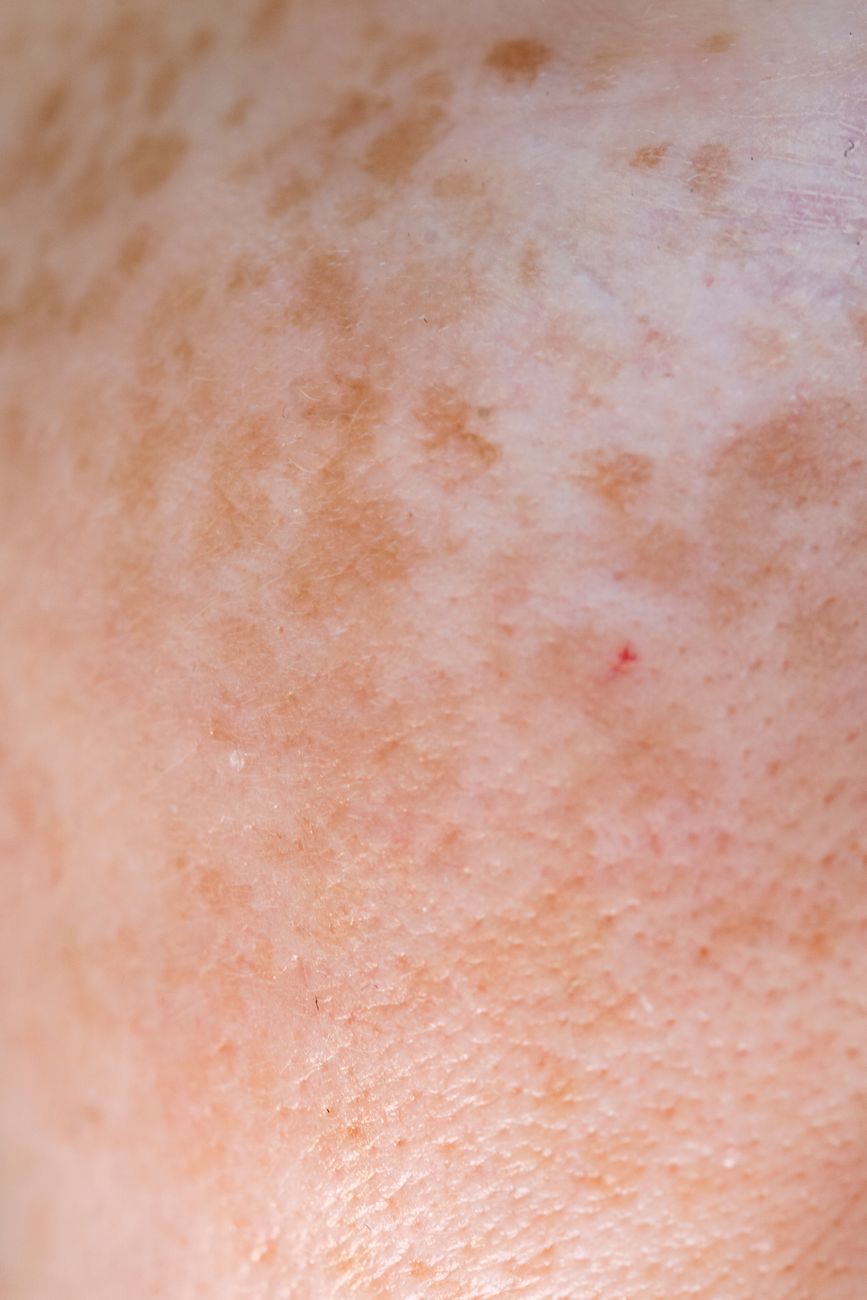
Melasma is a common skin condition that causes dark, discolored patches to appear on the skin. It most often affects the face and can impact self-confidence, but the good news is that melasma is manageable with the right care and professional guidance.
What Is Melasma?
Melasma is a form of hyperpigmentation, meaning it occurs when the skin produces too much melanin — the pigment responsible for skin color. It typically appears as brown, gray-brown, or tan patches on areas of the face such as:
- Cheeks
- Forehead
- Upper lip
- Nose
- Chin
Although melasma can affect anyone, it is more common in women, especially during pregnancy, which is why it’s sometimes called the “mask of pregnancy.”
What Causes Melasma?
Melasma develops due to a combination of factors. The most common triggers include:
1. Sun Exposure
Ultraviolet (UV) light stimulates melanocytes (the pigment-producing cells in the skin), leading to increased pigmentation. Even small amounts of sun exposure can worsen melasma.
2. Hormonal Changes
Hormonal fluctuations during pregnancy, while taking oral contraceptives, or during hormone therapy can trigger melasma.
3. Genetics
If melasma runs in your family, you may be more likely to develop it.
4. Heat and Light
Infrared heat and visible light (including blue light from screens) can also contribute to pigmentation.
How Is Melasma Diagnosed?
A trained skincare professional or dermatologist can usually diagnose melasma through a visual examination. In some cases, a Wood’s lamp may be used to assess how deep the pigmentation extends into the skin.
Treatment Options for Melasma
Melasma can be stubborn, but several treatment options can help reduce its appearance:
Professional Treatments
- Chemical peels – Help exfoliate the top layers of skin and lighten pigmentation.
- Microneedling – Stimulates skin renewal and can improve uneven pigmentation.
- Laser treatments – Target pigment in the skin (must be used carefully, as improper treatment can worsen melasma).
- Medical-grade facials – Support overall skin health and enhance treatment results.
Topical Treatments
- Hydroquinone
- Retinoids
- Vitamin C
- Azelaic acid
- Kojic acid
- Prescription combination creams
A customized treatment plan is essential, as every skin type responds differently.
The Importance of Sun Protection
Sunscreen is the most important part of managing melasma. Daily use of a broad-spectrum SPF 30 or higher is crucial — even on cloudy days. For best results:
- Reapply sunscreen every 2–3 hours when outdoors
- Wear a wide-brimmed hat
- Avoid peak sun hours
Without proper sun protection, melasma treatments may not be effective.
Can Melasma Be Cured?
Melasma cannot always be permanently cured, but it can be effectively managed. Consistency, professional guidance, and a tailored skincare routine are key to maintaining clear, even-toned skin.
Final Thoughts
If you’re struggling with melasma, you’re not alone. With the right combination of professional treatments, medical-grade skincare, and diligent sun protection, you can significantly improve your skin’s appearance and restore your confidence.
If you’d like a personalized consultation to address pigmentation concerns, book an appointment today and take the first step toward brighter, healthier-looking skin.


Leave a Reply